Traceable sourcing and handling
The company reports Peruvian fishery sourcing, sealed temperature-controlled transfer, and nitrogen handling for refined fish oil. Confirm the origin and transport records for the offered input.
A quality statement is useful only when the buyer can trace it to a product, sample stage, method, lot and destination requirement. This page explains what to request and what RainwoodBio must confirm in its current product documentation.
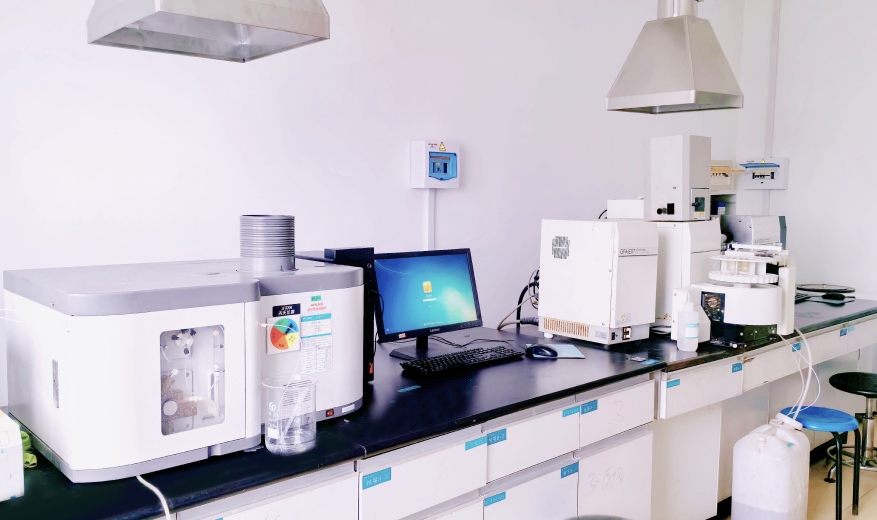
The corporate quality page describes incoming-material control, GMP-based monitoring through production and distribution, and a standardized laboratory. These are company-reported capabilities; confirm the current scope, method and record for the product and lot you are buying.
The company reports Peruvian fishery sourcing, sealed temperature-controlled transfer, and nitrogen handling for refined fish oil. Confirm the origin and transport records for the offered input.
The company describes quality monitoring across personnel, equipment, materials, methods and environment, from R&D and incoming material through production, storage and shipment.
The corporate page reports 20+ testing instruments, 900+ monthly inspection batches and 900+ detection indicators. Request the relevant methods, units, acceptance limits and lot-linked report.

Before accepting a certificate of analysis, identify the tested material, test stage, sample or batch identifier, date, method, units, acceptance criteria and issuing laboratory. Oil input results and finished-softgel results answer different questions.
| Question | What to check | Why buyers care |
|---|---|---|
| What material was tested? | Raw fish oil, bulk fill, in-process sample or finished softgel | A result from oil input alone does not establish the finished product result. |
| Does potency support the label? | EPA and DHA values, units, basis and calculation per capsule/serving | Prevents confusion between fish-oil weight and EPA/DHA delivered. |
| How was freshness assessed? | Peroxide value (PV), p-anisidine value (p-AV), TOTOX and method | Interpret each measure with its method, sample stage and agreed specification. |
| Which contaminants are in scope? | Requested heavy metals, dioxins/PCBs or other market/buyer panel | Requirements vary by destination, product, raw material and importer. |
| Is the record traceable? | Lot/batch ID, sampling date, report date, lab identity and revision | Connects the evidence to the shipment being evaluated. |
Ask your supplier to identify which records exist now, which are product-specific, and which are generated for the finished lot.
Do not infer a certificate’s scope from its logo. Confirm issuing organization, entity, site, activity and validity period against the current source.
Share the product target and requested document list. A useful review starts with the exact label, batch stage and destination market.